
The Pogues
Lists:
The Best Irish Bands of All Time
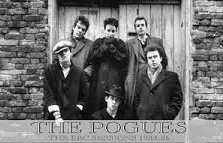
The Pogues are an influential Anglo-Irish band renowned for revolutionizing folk music by fusing traditional Irish sounds with the raw energy and rebellious spirit of punk rock. Formed in London in 1982, The Pogues brought a gritty, working-class authenticity to Celtic music, combining raucous instrumentation with poetic and often darkly humorous lyrics. Their music remains iconic for its lively spirit, storytelling, and blending of history, politics, and personal tales.
Formation and Early Years:
The Pogues were founded by Shane MacGowan (vocals, songwriting), Spider Stacy (tin whistle, vocals), and Jem Finer (banjo, mandolin) alongside other musicians from the London punk and Irish folk scenes. Originally named Pogue Mahone (Irish slang for “kiss my arse”), the band shortened the name to The Pogues.
They quickly developed a reputation for energetic, boisterous live shows and an unapologetically raw sound that mixed traditional Irish folk instruments — like accordion, banjo, tin whistle, and fiddle — with punk attitude.
Musical Style and Influences:
The Pogues’ music is defined by:
- A fiery fusion of traditional Irish folk music and punk rock energy
- Use of traditional instruments alongside electric guitars and drums
- Shane MacGowan’s distinctive, gravelly vocal style and vivid storytelling
- Lyrics full of social commentary, Irish history, folklore, and gritty urban tales
- Themes of exile, love, drinking, politics, and working-class life
Influences range from Irish folk legends like The Dubliners to punk bands like The Clash.
Key Albums and Notable Songs:
- Red Roses for Me (1984) – debut album establishing their unique sound with energetic folk-punk anthems
- Rum Sodomy & the Lash (1985) – critically acclaimed sophomore album produced by Elvis Costello, featuring classics like “Sally MacLennane” and “The Sick Bed of Cúchulainn”
- If I Should Fall from Grace with God (1988) – their commercial breakthrough including iconic tracks:
- “Fairytale of New York” (duet with Kirsty MacColl), a perennial Christmas classic
- “Fiesta” and “Thousands Are Sailing”
- Peace and Love (1989) – more experimental but less commercially successful
- Hell’s Ditch (1990) – their final album with MacGowan, blending world music influences with folk-punk
Cultural Impact and Legacy:
The Pogues redefined Irish music for a global audience, injecting punk’s rebellious energy into traditional sounds and inspiring countless bands in the Celtic punk and folk-rock genres. Their gritty, authentic portrayal of Irish identity, struggle, and diaspora resonated widely.
“Fairytale of New York” remains one of the UK’s best-selling singles of all time and a staple of Christmas playlists worldwide.
Band Members (Key Figures):
- Shane MacGowan – lead vocals, songwriter (1982–1991)
- Spider Stacy – tin whistle, vocals
- Jem Finer – banjo, mandolin, guitar
- Terry Woods – mandolin, cittern
- Philip Chevron – guitar, vocals
- James Fearnley – accordion
- Andrew Ranken – drums
- Darryl Hunt – bass guitar
- Terry Williams – drums (later member)
Live Performances:
The Pogues were known for their wild, passionate live shows, combining punk rock ferocity with the communal spirit of Irish folk music sessions. Their concerts were often chaotic but electrifying events that celebrated Irish culture and resilience.
Challenges and Changes:
The band faced challenges including Shane MacGowan’s struggles with substance abuse, leading to his departure in 1991. Despite lineup changes and hiatuses, The Pogues have reunited periodically for tours and special performances, keeping their legacy alive.
Influence on Other Artists:
The Pogues inspired a generation of Celtic punk and folk-punk bands such as Dropkick Murphys, Flogging Molly, and The Real McKenzies, as well as influencing artists across punk, folk, and rock genres worldwide.
Conclusion:
The Pogues remain one of the most important and beloved bands to emerge from the fusion of punk and folk traditions. Their fearless blending of raw energy, traditional Irish music, and poetic storytelling created a sound that was revolutionary, heartfelt, and enduring — a true voice of Ireland’s diaspora and spirit.
