
About Edgar Wright
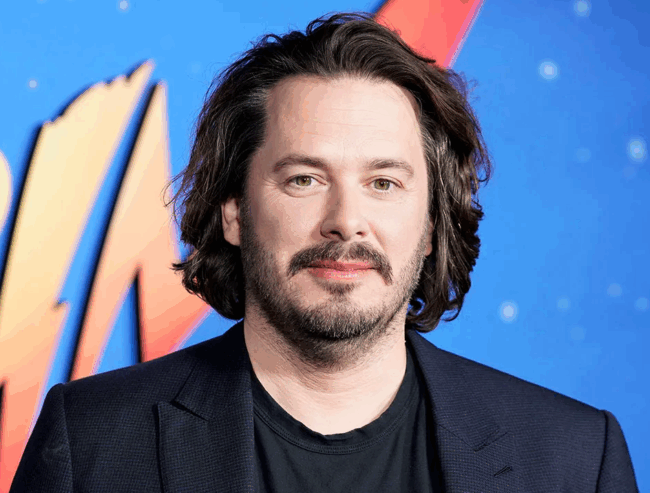
Profession: Director, Screenwriter, Producer
Notable Works: Shaun of the Dead (2004), Hot Fuzz (2007), Scott Pilgrim vs. The World (2010), Baby Driver (2017), Last Night in Soho (2021)
Genres: Comedy, Action, Horror, Thriller, Musicals, Superhero
Style: Fast-paced editing, visual comedy, musical synchronization, genre blending
Early Life and Education
Full Name: Edgar Howard Wright
Date of Birth: April 18, 1974
Place of Birth: Poole, Dorset, England
Edgar Wright grew up in the coastal town of Poole, Dorset, in the south of England. From a young age, Wright was fascinated by cinema, particularly its ability to blend genres and elicit emotions. His interest in film was cultivated early on through watching a diverse range of films, from classic horror and comedy to action and sci-fi. This diverse influence would come to define his own filmmaking style.
Wright attended Barnfield College in Luton, where he studied film and television production. His studies provided him with the technical skills necessary to pursue filmmaking, but it was his unique sense of humor and penchant for visual storytelling that would set him apart in the industry.
Career Beginnings
Wright’s early career was built on creating short films and working in television. One of his first significant breaks came with the cult British TV show Spaced (1999–2001), which he co-wrote and directed alongside actor Simon Pegg. The series, a hilarious and self-referential sitcom, was heavily influenced by pop culture, film references, and absurd humor, all traits that would later define Wright’s style.
Spaced garnered a strong fanbase for its blend of wit, humor, and visual flair. The success of Spaced served as the launching pad for Wright’s career, both in television and film, and led to his collaborations with Simon Pegg and actor Nick Frost in later projects.
Breakout Films and Style
Wright’s feature film career began with the 2004 zombie-comedy classic Shaun of the Dead, which he co-wrote and directed. The film, starring Simon Pegg and Nick Frost, became an instant hit with critics and audiences alike. It blended the genres of horror and comedy in a way that had rarely been seen before, with rapid-fire jokes, clever visual gags, and an emotional depth that made it resonate with viewers beyond the laughs.
Shaun of the Dead (2004)
- Co-writer: Simon Pegg
- Notable Elements: Genre subversion, visual humor, character-driven comedy
- Impact: A game-changer for the zombie genre and a key entry in the burgeoning wave of British comedy films. It demonstrated Wright’s ability to fuse humor with genre tropes in a way that both celebrated and parodied the films that inspired him.
Following the success of Shaun of the Dead, Wright’s collaboration with Pegg and Frost continued with the Cornetto Trilogy, a series of films that blended genres with Wright’s characteristic humor and quick editing.
Hot Fuzz (2007)
- Co-writer: Simon Pegg
- Notable Elements: Action-packed, police procedural parody, witty dialogue
- Impact: Hot Fuzz was another critical and commercial success, with Wright masterfully playing with the conventions of buddy cop films and action thrillers. His editing style became even more refined in this film, particularly in the rapid-fire cuts that made action sequences feel energetic and exaggerated. The film’s comedic beats, coupled with its sharp critique of small-town life, solidified Wright as a force to be reckoned with in Hollywood and British cinema.
The World’s End (2013)
- Co-writer: Simon Pegg
- Notable Elements: Sci-fi, dystopian narrative, friendship and existential themes
- Impact: The final installment of the Cornetto Trilogy, The World’s End combines sci-fi and buddy comedy, exploring the relationships between aging friends and their quest for an ultimate pint. This film also marked a deeper thematic exploration of nostalgia, regret, and the fear of growing up.
Expansion into Other Genres
While the Cornetto Trilogy cemented Wright’s reputation in the comedy genre, his filmmaking talents soon expanded into a broader range of styles, including action, musical, and even superhero genres.
Scott Pilgrim vs. The World (2010)
- Adapted from: Scott Pilgrim graphic novel series by Bryan Lee O’Malley
- Notable Elements: Visual effects, music-driven editing, video game-inspired style
- Impact: One of Wright’s most ambitious and visually striking films, Scott Pilgrim vs. The World is a frenetic, fast-paced adaptation of the graphic novel. Known for its sharp editing, clever use of visual effects, and distinct sound design (notably the soundtrack by Beck, and the iconic “We Are Sex Bob-Omb”), the film is a cult classic and showcases Wright’s ability to merge animation, video game aesthetics, and narrative in a way that felt fresh and innovative at the time.
Though the film initially received mixed reactions from mainstream audiences, it has since gained a devoted fanbase, especially among fans of graphic novels and video games.
Baby Driver (2017)
- Notable Elements: Musical synchronization, car chases, character development
- Impact: Baby Driver is widely regarded as one of Wright’s most successful and polished films, showcasing his extraordinary attention to detail in both editing and sound design. The film’s story revolves around a getaway driver (played by Ansel Elgort), and it features elaborate, music-driven action sequences, in which every movement and sound is synchronized to the beat of the music. Wright’s direction and use of music in the film became a major talking point, earning widespread acclaim and commercial success.
The film was praised for its inventive and audacious approach to genre filmmaking, combining elements of action, music, romance, and comedy with Wright’s signature style of quick cuts, visual humor, and razor-sharp timing.
Recent Work and Continued Innovation
Last Night in Soho (2021)
- Notable Elements: Psychological thriller, time travel, 1960s London, horror elements
- Impact: A significant departure from his earlier works, Last Night in Soho is a psychological thriller with horror elements, paying homage to 1960s London and the style of classic thrillers. It blends the supernatural with a gripping tale of obsession and identity, demonstrating Wright’s versatility as a director. The film received positive reviews for its stylish visuals, editing, and its exploration of themes such as memory and nostalgia.
Distinctive Filmmaking Style
Edgar Wright’s filmmaking style is known for its unique approach to editing, humor, and genre-blending. Some of the key features of his style include:
- Fast-Paced Editing and Cuts: Wright is famous for his “quick-cut” style of editing, where actions, thoughts, or ideas are conveyed through rapid and sometimes exaggerated cuts. This approach creates a frenetic energy in his films that mirrors the heightened reality of the characters’ experiences.
- Musical Synchronization: From Scott Pilgrim vs. The World’s End to Baby Driver, Wright often uses music as a narrative device. He choreographs action sequences, car chases, and character movements to sync with the beats of the soundtrack, creating a seamless blend of action and music.
- Genre Subversion: Wright loves to take familiar genres (like zombie films, buddy cop thrillers, or action films) and flip them on their head. His films tend to deconstruct or satirize genre conventions while still delivering compelling, character-driven stories.
- Visual Comedy: Wright’s films often feature visual gags and witty timing, using the camera as a tool for punchlines. His skill with visual humor is a defining characteristic of his films, allowing him to tell jokes with action and framing rather than relying solely on dialogue.
Personal Life and Legacy
Wright is known for his strong connections to his friends and collaborators, particularly Simon Pegg and Nick Frost, with whom he has worked extensively. He has also made occasional appearances in other directors’ films, often as a cameo or an Easter egg for fans.
Wright’s legacy is defined by his ability to make genre films feel fresh and inventive, blending style, humor, and thematic depth. He has influenced a generation of filmmakers and remains one of the most exciting and dynamic directors in the world of contemporary cinema.
Conclusion
Edgar Wright is a director whose films transcend traditional genre boundaries, blending humor, heart, and high-octane action into unique cinematic experiences. His films are marked by a deep sense of style, music-driven storytelling, and clever use of editing, making him one of the most influential filmmakers of his generation. As he continues to experiment and innovate, Wright’s work remains a testament to the power of creativity and cinematic language.
