
About Ben Richardson
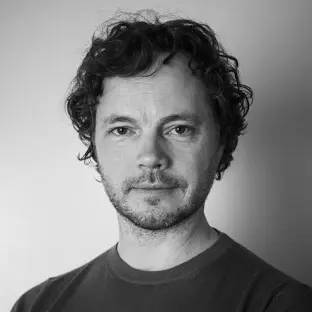
Profession: Cinematographer
Notable Works: Beasts of the Southern Wild (2012), Wind River (2017), The Farewell (2019), Love and Death (2023)
Early Life and Education
Ben Richardson was born in the United Kingdom, though specific details about his early life and education remain relatively private. It’s known that he developed an early passion for storytelling and visual arts, which led him to pursue cinematography as his craft. His education took him through various film programs, refining his technical skills and artistic sensibilities.
Career Beginnings
Richardson’s career began with smaller projects and independent films, where his ability to tell stories through a lens quickly gained recognition. His early work set the foundation for his signature style—capturing raw emotion, natural light, and immersive landscapes in a way that adds depth to the narrative.
His breakthrough came with Beasts of the Southern Wild (2012), directed by Benh Zeitlin. Richardson’s cinematography on this film earned widespread praise for its intimate yet ethereal portrayal of the Louisiana bayou. The film, which tells the story of a young girl named Hushpuppy, is known for its stunning imagery and unconventional visual style, elements that Richardson’s cinematography brought to life in a deeply compelling way.
Signature Style
Ben Richardson is known for his ability to blend realism with a poetic sense of the natural world. His cinematography often features:
- Natural Light: He frequently utilizes natural light to create a grounded, organic feel in his films.
- Immersive Visuals: He has a unique approach to capturing landscapes and environments, drawing the viewer into the world of the story. This often includes wide shots of natural environments that are intimately tied to the characters’ emotional journeys.
- Human Connection: Richardson has a talent for capturing the nuances of human emotion, focusing on faces and moments of subtle interaction that convey much more than words could.
Notable Films and Projects
- Beasts of the Southern Wild (2012)
- Director: Benh Zeitlin
- Awards: Nominated for Best Cinematography at the 2013 Academy Awards.
Richardson’s work on this film is often cited as a key element in the movie’s success. His ability to create a dreamlike yet gritty atmosphere helped the film’s story of survival and loss resonate deeply with audiences. His use of handheld cameras and close-up shots contributed to the sense of immediacy and intimacy, allowing viewers to feel as though they were experiencing the events firsthand.
- Wind River (2017)
- Director: Taylor Sheridan
- Awards: Various festival accolades.
This neo-western thriller is set against the snowy wilderness of Wyoming and showcases Richardson’s command of wide, sweeping shots of harsh landscapes contrasted with intimate character moments. The bleak yet beautiful cinematography mirrors the tone of the film, which revolves around the investigation of a murder on a Native American reservation. His work on Wind River is often praised for its cold, sparse beauty and the way it visually mirrors the isolation and vulnerability of the characters.
- The Farewell (2019)
- Director: Lulu Wang
- Awards: Nominated for several film industry awards, including Best Cinematography at the 2020 Independent Spirit Awards.
In The Farewell, Richardson’s cinematography is more subtle and restrained compared to his earlier works. The film, which deals with cultural conflicts and the dynamics of a Chinese-American family, is intimate, and the cinematography reflects this personal tone. Richardson uses close-ups and soft lighting to enhance the emotional weight of the family’s experience of loss, making the film feel incredibly personal and immersive.
- Love and Death (2023)
- Director: David E. Kelley
- Awards: Ongoing praise for its visual aesthetic.
This limited series, which tells the story of a true crime case involving a Texas housewife accused of murder, features Richardson’s signature dramatic approach to lighting and composition. His work here captures the tension between the suburban setting and the dark undercurrents of the narrative.
Collaborations and Influence
Richardson’s collaborations with directors such as Benh Zeitlin, Taylor Sheridan, and Lulu Wang have been integral to his rise as a sought-after cinematographer. His ability to interpret the director’s vision through his lens has made him a favorite among storytellers who want to explore emotional depth and natural environments. His style has also inspired many emerging cinematographers, particularly those who work in independent cinema.
Awards and Recognition
Ben Richardson’s work has been widely celebrated within the film industry. He received an Academy Award nomination for Best Cinematography for his work on Beasts of the Southern Wild, and his films have garnered numerous awards and nominations from independent film festivals, as well as recognition from organizations like the American Society of Cinematographers (ASC).
Philosophy on Cinematography
Ben Richardson has often spoken about the importance of emotional resonance in cinematography. Rather than focusing purely on technical achievement, he emphasizes the role of the camera in conveying the story’s emotional core. For him, the goal is always to serve the story first, whether that means using unconventional angles, natural light, or a minimalist approach to staging.
He’s also known for working closely with directors to collaborate on visual storytelling, ensuring that the cinematography complements and enhances the narrative.
Personal Life and Legacy
Though Ben Richardson keeps a relatively low profile in terms of his personal life, he’s known for being a deeply thoughtful and introspective artist. His work has left a lasting mark on contemporary cinema, and his ability to blend artistic beauty with raw emotional storytelling has made him one of the leading cinematographers of his generation.
Richardson’s influence extends beyond the films he’s worked on, as he continues to inspire up-and-coming filmmakers and cinematographers who admire his ability to push the boundaries of what the camera can convey.
Conclusion
Ben Richardson is a cinematographer whose work transcends the technical aspects of filmmaking, embracing the soul of the story he helps tell. With his focus on naturalism, emotional depth, and visual intimacy, he has carved out a distinctive and influential place in the world of contemporary cinema. His body of work continues to resonate with audiences and critics alike, making him a pivotal figure in modern filmmaking.
