
About Diana Ross
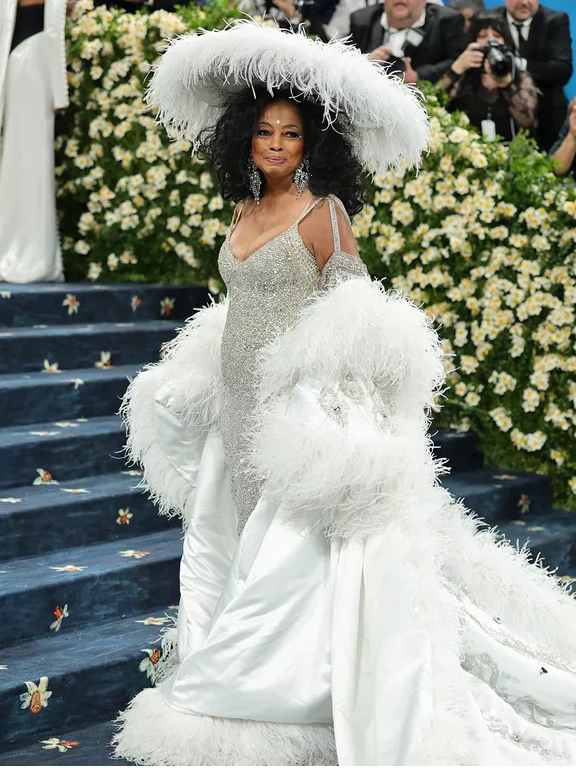
Full Name: Diana Ernestine Earle Ross
Date of Birth: March 26, 1944
Place of Birth: Detroit, Michigan, USA
Nationality: American
Occupation: Singer, Actress, Record Producer, and Businesswoman
Genres: Motown, R&B, Soul, Pop, Disco
Height: 5’4″ (163 cm)
Family:
- Children: Rhonda Ross Kendrick (daughter), Tracee Ellis Ross (daughter), Chudney Ross (daughter), Evan Ross (son)
- Siblings: Several siblings, including a sister, Barbara Ross, who has been a significant part of her life
- Spouses: Robert Ellis Silberstein (1971–1977), Arne Naess Jr. (1985–2000; his death)
Early Life and Background
Diana Ross was born on March 26, 1944, in Detroit, Michigan, as the second eldest of six children. Raised in the Brewster-Douglass housing projects, she was surrounded by a vibrant, working-class community, and her early exposure to music through church and local talent shows sparked her passion for singing.
Ross’s musical journey began at a young age. As a teenager, she was inspired by Motown’s rising star power and began performing in local talent shows. Her initial musical interests led her to a vocal group called The Primettes in 1959. The group eventually evolved into The Supremes, one of the most successful acts in the history of Motown.
Career Beginnings with The Supremes
Diana Ross’s breakthrough came in 1961 when The Supremes signed with Motown Records. Initially known as the Primettes, the group underwent a name change to The Supremes, and by 1964, they became one of the most prominent vocal groups in the world. Diana Ross was the lead singer of the trio, and her distinctive voice became synonymous with the group’s success.
During the 1960s, The Supremes achieved unprecedented chart success, including 12 No. 1 hits on the Billboard Hot 100—a record for any girl group at the time. Songs like “Where Did Our Love Go“, “Baby Love“, and “Stop! In the Name of Love“ became iconic anthems, cementing the group’s place in pop history. Diana Ross’s combination of beauty, stage presence, and undeniable vocal ability made her a breakout star within the group, leading her to a successful solo career.
Solo Career: A Legendary Transformation
In 1970, Diana Ross made the transition from The Supremes to a solo career, an endeavor that was met with both critical acclaim and immense commercial success. Her self-titled solo album, “Diana Ross” (1970), was a massive hit, marking the beginning of a new era for the superstar.
Ross’s solo career soared with a string of chart-topping hits. Her singles “Ain’t No Mountain High Enough“ (1970), “Touch Me in the Morning“ (1973), and “I’m Coming Out“ (1980) became anthems of empowerment and resilience. As an artist, she seamlessly blended pop, R&B, soul, and disco, earning a reputation as one of the most versatile and influential vocalists in history.
She earned Grammy Awards, including the Lifetime Achievement Award (2012), and was inducted into the Rock and Roll Hall of Fame as a member of The Supremes in 1988, cementing her legacy as one of the most important figures in popular music.
Acting Career
Beyond her musical success, Diana Ross ventured into acting, with her most notable performance in the film “Lady Sings the Blues” (1972). In this biographical drama, Ross portrayed Billie Holiday, one of the most revered jazz singers of all time. The role earned her an Academy Award nomination for Best Actress, marking a significant moment in her career.
Ross continued to act in films like “Mahogany” (1975), a film she also produced, and “The Wiz” (1978), an adaptation of the Broadway musical based on The Wizard of Oz. In “The Wiz,” Ross played Dorothy, alongside an all-star cast including Michael Jackson as the Scarecrow. Although the film was a commercial failure at the time, it has since gained a cult following and remains a significant part of Ross’s legacy in film.
Fashion Icon
Diana Ross’s impact on fashion is immeasurable. Known for her glamorous, bold, and often avant-garde style, Ross became a fashion icon in the 1960s and 1970s. She popularized voluminous hairstyles, glittering gowns, and chic, dramatic looks that embodied her confidence and larger-than-life persona. Ross’s fashion choices were often celebrated for their boldness, sophistication, and sense of individuality, further cementing her status as a pop culture icon.
She became a muse for many top designers, including Jean Louis, Bob Mackie, and Gianni Versace. Her extravagant costumes, particularly during her performances, became as iconic as her music, setting trends in both the fashion and entertainment industries.
Personal Life
Diana Ross has had a highly publicized personal life, marked by high-profile relationships, marriages, and family life. She was married twice: first to Robert Ellis Silberstein, a music executive, with whom she had two daughters, Rhonda Ross Kendrick and Tracee Ellis Ross. Tracee Ellis Ross, a renowned actress and fashion icon, has become a prominent figure in Hollywood in her own right, starring in the hit television series “Black-ish.”
Ross later married Arne Naess Jr., a Norwegian businessman, and had two children together, Chudney Ross and Evan Ross. Her son, Evan Ross, has followed in her footsteps into the entertainment industry as an actor and musician.
Over the years, Ross’s personal life has garnered attention, but she has always maintained a sense of privacy when it comes to her family.
Philanthropy and Activism
Diana Ross has been an advocate for numerous causes, including children’s rights, civil rights, and education. She has donated to various charities, including the Diana Ross Foundation, which focuses on supporting children in need, particularly those affected by poverty and discrimination.
Her contributions to social justice, particularly through her involvement with the Motown Sound, have helped bring racial and cultural change to the forefront of the music industry.
Legacy and Influence
Diana Ross’s legacy is undeniable. As one of the best-selling music artists in history, with more than 100 million records sold worldwide, she remains one of the most influential figures in popular music.
She is widely recognized as one of the best female vocalists of the 20th century and has influenced a wide range of artists across genres, from pop to R&B to disco. Her impact on the music industry continues to be felt by new generations of musicians, and she remains a symbol of grace, resilience, and empowerment.
In 2021, Diana Ross released her album “Thank You”, her first in 15 years, which was well-received by both fans and critics. The album is a testament to her enduring artistry and the timelessness of her voice.
Notable Discography:
- ““Diana Ross” (1970) – The debut solo album
- “Ain’t No Mountain High Enough” (1970)
- “Touch Me in the Morning” (1973)
- “The Boss” (1979)
- “I’m Coming Out” (1980)
- “Diana” (1980) – One of her most iconic albums
- “Thank You” (2021) – Recent return to music after 15 years
Notable Filmography:
Awards and Honors:
- Grammy Lifetime Achievement Award
- Rock and Roll Hall of Fame (1988)
- Golden Globe Award
- Academy Award nomination for Best Actress (Lady Sings the Blues)
- Numerous other accolades for her contributions to music and entertainment.
Diana Ross remains a living legend—her artistry and presence continue to inspire not only the music industry but also generations of fans, activists, and artists around the world. Whether as a member of The Supremes or as a solo artist, she has redefined what it means to be a superstar.
