
Lil Wayne
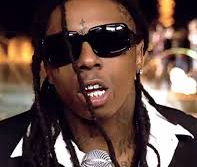
Full Name: Dwayne Michael Carter Jr.
Stage Name: Lil Wayne
Date of Birth: September 27, 1982
Place of Birth: New Orleans, Louisiana, USA
Nationality: American
Profession: Rapper, Singer, Songwriter, Producer, Entrepreneur
Genres: Hip-Hop, Rap, Southern Hip-Hop, Trap
Years Active: 1995–Present
Labels: Cash Money Records, Young Money Entertainment, Republic Records, Universal Music Group
Early Life and Background
Dwayne Michael Carter Jr., widely known by his stage name Lil Wayne, was born on September 27, 1982, in New Orleans, Louisiana. Raised in the Lower Ninth Ward, one of New Orleans’ most disadvantaged neighborhoods, Lil Wayne’s upbringing was marked by struggles with poverty and violence. His father, Dwayne Carter Sr., left the family when Lil Wayne was just a toddler, and his mother, Jacida Carter, raised him in a single-parent household. Despite these challenges, Wayne grew up surrounded by music, which became his escape and his passion.
Wayne began rapping at the age of 8, and by 9, he was writing his own rhymes. He was discovered at the young age of 11 by Birdman (Bryan Williams), co-founder of Cash Money Records, who became his mentor. Birdman took Wayne under his wing, and by age 12, Lil Wayne was recording with Cash Money.
Early Career and Breakthrough
Lil Wayne’s first major appearance was on the 1996 Cash Money Records compilation album “True Stories”, at the tender age of 14. He was initially a member of the Hot Boys, a collective of young rappers that included Juvenile, BG, and Turk. The group’s debut album, “Get It How U Live!” (1997), was a success, but it was the 1999 album “Guerrilla Warfare” that cemented Lil Wayne’s place in the rap game. The project featured hits like “Blow” and “We On Fire”.
By the early 2000s, Lil Wayne had already become one of the most promising rappers in the game. His first solo album, “Tha Block Is Hot” (1999), debuted at No. 3 on the Billboard 200 and went Platinum. It was clear that Lil Wayne was no longer just a member of the Hot Boys but a solo artist with a distinct voice and an undeniable presence.
Tha Carter Series – The Rise to Stardom
In 2004, Lil Wayne released “Tha Carter”, his fourth studio album, marking a pivotal moment in his career. The album’s standout single, “Go DJ”, became a huge hit, and the album eventually went Platinum. The success of “Tha Carter” helped Wayne expand his fan base beyond his Southern roots and set the stage for even greater success.
However, it was “Tha Carter II” (2005) that truly established Lil Wayne as one of the top rappers in the industry. With tracks like “Fireman” and “Hustler Musik”, the album received critical acclaim and commercial success, showcasing Wayne’s unique ability to balance lyrical complexity with mainstream appeal.
The real game-changer, however, came with “Tha Carter III” (2008). After a string of mixtapes, including “Dedication 2” and “Da Drought 3”, which further solidified his reputation as one of the most talented rappers of his generation, “Tha Carter III” was released and became a cultural milestone. The album sold over 1 million copies in its first week, an achievement that solidified Wayne as a superstar.
Featuring iconic hits like “Lollipop”, “A Milli”, and “Got Money”, “Tha Carter III” earned Lil Wayne his first Grammy Award for Best Rap Album, and it is widely regarded as one of the greatest hip-hop albums of the 2000s. The album’s success took Lil Wayne to international stardom and cemented his place as a pioneer of the genre.
Continued Success: The Carter IV, Dedication, and Mixtapes
In the years following Tha Carter III, Lil Wayne maintained a constant presence in the music world, releasing multiple successful projects. “Tha Carter IV” (2011) was another commercial success, debuting at No. 1 on the Billboard 200 and producing massive hits like “6 Foot 7 Foot” and “How to Love”. The album featured collaborations with artists like Drake, Rick Ross, and Busta Rhymes, showcasing Wayne’s ability to seamlessly collaborate with both established stars and emerging talent.
Lil Wayne also continued to release highly anticipated mixtapes, which became an essential part of his career and added to his status as a lyrical genius. “No Ceilings” (2009), “Sorry 4 the Wait” (2011), and “Dedication 4” (2012) featured some of his best freestyles and reaffirmed his versatility as a rapper. His mixtapes often redefined what was possible within the hip-hop genre, drawing from a diverse array of influences, from classic hip-hop to rock and electronic music.
Entrepreneurship and Young Money Entertainment
Lil Wayne’s influence extended far beyond music. In 2009, he founded his own record label, Young Money Entertainment, which would go on to launch the careers of several artists, most notably Drake and Nicki Minaj. His ability to spot and nurture talent has been one of the driving forces behind his success, as he played a crucial role in the rise of these two superstars.
Young Money’s debut compilation album, “We Are Young Money” (2009), was a commercial success, with tracks like “BedRock” becoming anthems. The success of Young Money further elevated Lil Wayne’s status as not just a rapper but an influential business mogul in the music industry.
Wayne’s other entrepreneurial ventures include his Carter V clothing line and various sponsorships with brands like Mountain Dew and Pepsi. In addition to these ventures, he also started his own sports management company, Young Money APAA Sports, further diversifying his career.
The Carter V and Legal Battles
“Tha Carter V”, released in 2018, had been a long-awaited project. It was originally scheduled for release in 2014, but due to a highly publicized feud with Birdman and the Cash Money Records label, the album was delayed for several years. The legal battle between Lil Wayne and Cash Money over the album’s release was one of the most dramatic sagas in the music industry.
Despite the delays, “Tha Carter V” was a commercial success, debuting at No. 1 on the Billboard 200 and featuring hits like “Uproar” and “Mona Lisa” (featuring Kendrick Lamar). The album received critical praise for its introspective nature and Wayne’s lyrical prowess.
Influence and Legacy
Lil Wayne’s influence on hip-hop is immense. Often cited as one of the greatest rappers of all time, Wayne’s work has reshaped the genre in a variety of ways. His use of metaphors, wordplay, and punchlines has inspired a generation of rappers, from his protégé Drake to newer artists like Lil Uzi Vert and Future.
Wayne is also credited with popularizing the mixtape format, blending street-level authenticity with mainstream appeal. His innovative use of Auto-Tune, especially on tracks like “Lollipop”, brought a new wave of experimentation to the hip-hop genre. He was also a trailblazer in terms of collaboration, working with a wide range of artists from across the music spectrum, including Jay-Z, Eminem, Nicki Minaj, and The Weeknd.
Additionally, Wayne’s influence has extended beyond music to culture at large. He is credited with helping define the “New Orleans” sound and has had a lasting impact on the Southern hip-hop movement. His style, both in terms of his musical approach and his persona, has shaped the modern rap aesthetic.
Personal Life and Challenges
Lil Wayne’s personal life has often been the subject of media attention, including his multiple legal issues, health problems, and personal relationships. Wayne has faced charges related to weapons possession, drug use, and even a high-profile prison sentence in 2010 after being convicted on charges of possession of a firearm.
Wayne’s struggles with health issues were also highly publicized, with the rapper having suffered multiple seizures in the past, which were attributed to his epilepsy. Despite these setbacks, Wayne has continued to thrive in the music industry, and his resilience has contributed to his legend.
Wayne has four children, from various relationships, including with actress Laurie Ann Gibson and singer Nivea, as well as with his ex-wife, Toya Wright.
Conclusion
Lil Wayne’s legacy is one of innovation, resilience, and unmatched influence in the hip-hop world. From his early days as a young prodigy in New Orleans to his status as one of the most decorated and influential figures in music, Lil Wayne has solidified himself as a cultural icon. Whether as a groundbreaking artist, visionary entrepreneur, or mentor to the next generation of stars, Wayne’s impact will be felt for years to come. His music continues to evolve, and his place in the pantheon of hip-hop legends is undeniable.
