
Oh Schucks, Here Comes UNTAG!
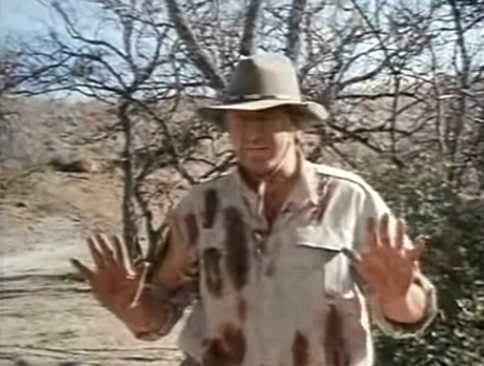
Oh Schucks, Here Comes UNTAG! (1990) is a South African comedy film directed by Leon Schuster, marking an important moment in the country’s film history during a transformative period. The film blends slapstick humor, social commentary, and Schuster’s trademark candid camera pranks. Released during a time of significant political change in South Africa, Oh Schucks, Here Comes UNTAG! offers a humorous look at the tensions and cultural shifts that were taking place as the country was moving toward the end of apartheid.
Overview
Set in the final years of apartheid, Oh Schucks, Here Comes UNTAG! is a parody of the political and social upheaval in South Africa during the 1980s and early 1990s. The title refers to the arrival of the United Nations Transition Assistance Group (UNTAG), a peacekeeping force deployed to assist in the transition from apartheid to democracy.
Schuster, known for his comedic prowess and satirical style, uses the arrival of UNTAG as a comedic backdrop to explore the absurdities and complexities of South African life during this period. The film combines scripted comedy with candid camera-style pranks, featuring Schuster’s signature slapstick humor and clever social commentary.
Plot Overview
In Oh Schucks, Here Comes UNTAG!, Schuster plays the role of a man who finds himself caught in a series of comic situations as South Africa begins its transition. With the United Nations peacekeepers arriving in South Africa to oversee the peace process, Schuster’s character finds himself navigating a world that is changing rapidly and unexpectedly. The film’s humor revolves around the chaos and confusion brought about by the arrival of UNTAG, as well as the misunderstandings and cultural clashes that ensue.
In typical Schuster fashion, the film includes a series of elaborate pranks on unsuspecting members of the public, highlighting the absurdity of the social and political climate. Through these pranks, the film humorously comments on the changing nature of race relations, the international scrutiny South Africa faced, and the tension between the old order and the new emerging South Africa.
Cast and Characters
- Leon Schuster as Himself / Various Characters: Schuster plays the central character who interacts with a range of individuals, including UNTAG personnel and local South Africans, as he creates comic mayhem.
- Alfred Ntombela as Various Characters: A frequent collaborator with Schuster, Ntombela plays a series of comedic roles throughout the film.
- Supporting Cast: Various South African actors and members of the public, some of whom are unwittingly drawn into Schuster’s pranks, make cameo appearances.
The ensemble cast is essential to the film’s success, as the interaction between Schuster and unsuspecting bystanders forms the heart of its humor. Schuster’s skill in using ordinary people in extraordinary comedic situations is a hallmark of the film’s structure.
Production and Style
Oh Schucks, Here Comes UNTAG! maintains Schuster’s distinctive filmmaking style, which includes a mixture of staged comedy and real-life pranks. The film uses the candid camera format to capture authentic reactions from the public, a technique Schuster became famous for in South African cinema.
The production is marked by slapstick humor, visual gags, and humorous misunderstandings. Schuster’s use of practical jokes, such as putting people in uncomfortable or ridiculous situations without their knowledge, adds a sense of spontaneity to the film, which was a key feature of many of his works. The chaotic scenes and unpredictable outcomes ensure that the humor remains fresh and engaging.
Reception and Critique
Oh Schucks, Here Comes UNTAG! was well-received by audiences who appreciated Schuster’s ability to use humor to comment on the complex political landscape of South Africa. The film’s playful approach to serious political events, such as the arrival of UN peacekeepers, allowed people to laugh at the tensions of the time.
However, like many of Schuster’s films, it was not without controversy. The film’s reliance on racial humor, stereotypes, and the portrayal of sensitive political issues raised questions about the boundaries of comedy. Some critics felt that the humor was too crude and that it risked trivializing the serious issues surrounding the country’s political transformation.
Nonetheless, the film was a commercial success and remains a staple in South African comedy, reflecting the cultural and political complexities of the period in a way that few other films at the time dared to do.
Legacy and Impact
Oh Schucks, Here Comes UNTAG! remains one of the most significant films in Leon Schuster’s career, serving as both a product of its time and a precursor to his later works. The film taps into the tension of the period—South Africa’s transition from apartheid to democracy—and offers a humorous way for audiences to cope with the changing political landscape.
The film is also significant in that it illustrates Schuster’s ability to use humor to explore serious themes, making it not only a source of entertainment but also a reflection of the challenges and contradictions of South African society at the time.
Despite criticisms regarding racial stereotypes, Oh Schucks, Here Comes UNTAG! reflects the unique role that comedy and satire played in South Africa’s post-apartheid cultural dialogue. The film remains an important piece of South African cinematic history and continues to be part of the conversation about humor, race, and politics in the country.
Where to Watch
As of now, Oh Schucks, Here Comes UNTAG! is available on YouTube:
Final Thoughts
Oh Schucks, Here Comes UNTAG! is a quintessential Leon Schuster film that blends humor with sharp political commentary. Through pranks, slapstick humor, and exaggeration, Schuster presents a humorous but poignant look at South Africa’s political transition in the late 1980s and early 1990s. While it may not be for everyone due to its reliance on racial and cultural stereotypes, the film remains a valuable artifact of South African comedy and a significant part of the country’s cinematic history.
